020 3744 3778
A Greener World through Climate-Smart Gardening
Posted on 18/09/2025
A Greener World through Climate-Smart Gardening
The pressing challenges of climate change demand innovative and practical solutions at every level, from international policies to local home gardens. One of the most impactful and accessible ways individuals and communities can create positive environmental change is through climate-smart gardening. This comprehensive approach not only brings aesthetic and nutritional yields but also supports ecosystem health, conserves resources, and builds resilience against the unpredictable effects of global warming.
Understanding Climate-Smart Gardening
Climate-smart gardening refers to a collection of landscaping, planting, and garden management practices specifically designed to reduce environmental impact, sequester carbon, save water, and foster biodiversity. By using these climate-friendly gardening strategies, we can transform our personal and public green spaces into powerful allies in the fight against climate change.
Why Is Climate-Smart Gardening Important?
- Reduces Greenhouse Gas Emissions: Climate-smart gardens store carbon in soil and plants, acting as mini carbon sinks.
- Promotes Biodiversity: Diverse plantings provide habitats for pollinators, birds, and beneficial insects.
- Improves Soil Health: Organic methods build healthier soils, which are more resilient in extreme weather.
- Conserves Water: Smart irrigation, mulching, and plant selection minimize water waste.
- Mitigates Urban Heat: Green gardens help cool their surroundings, combating the urban heat island effect.
Core Principles of Climate-Smart Gardening
To make your garden a force for positive climate impact, it's essential to embrace the following key principles:
1. Choose Climate-Appropriate Plants
- Native species: These are adapted to local conditions, generally require less water and fertilizer, and support local wildlife.
- Drought-resistant plants: Especially important in regions prone to water shortages or hotter, drier summers.
- Perennial vegetables and flowers: They need less replanting and help maintain soil carbon levels.
2. Improve Soil Health Organically
- Compost: Recycle kitchen and yard waste to enrich your soil, reducing the need for synthetic fertilizers.
- Mulch: Mulching conserves moisture, suppresses weeds, and slowly adds organic matter to the soil.
- No-till or low-till methods: Disturbing the soil less often preserves soil structure and microbial life, storing more carbon naturally.
3. Use Water Wisely
- Rainwater harvesting: Collect and store rainwater for garden irrigation.
- Drip irrigation or soaker hoses: These methods direct water to roots efficiently with minimal evaporation.
- Mulching and shade: Keep soil moist longer and reduce plant stress during hot periods.
4. Encourage Biodiversity
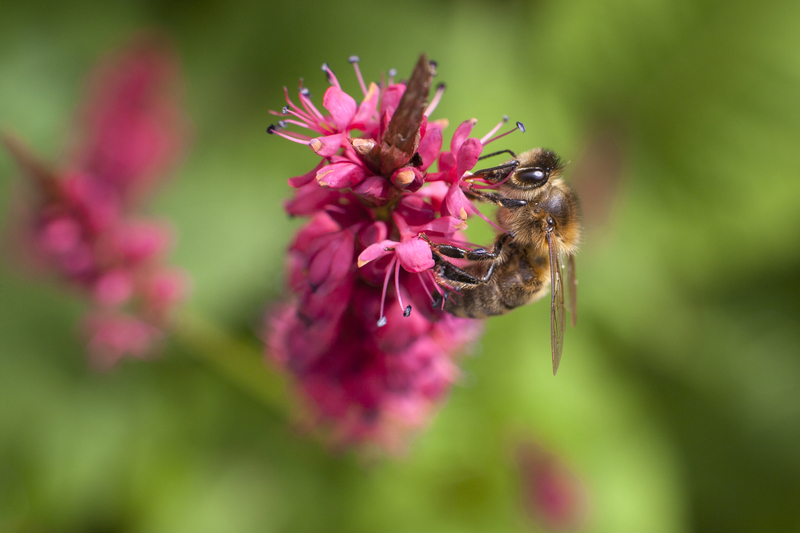
- Pollinator-friendly plants: Attract bees, butterflies, and other pollinators vital to food systems.
- Mixed plantings: Diversify your garden with a mix of trees, shrubs, flowers, and vegetables for more robust resilience.
- Habitat features: Add birdbaths, nesting boxes, insect hotels, and undisturbed woodpiles.
5. Reduce, Reuse, Recycle in the Garden
- Repurpose containers and materials: Use what you have before buying new.
- Compost organic waste: Transform kitchen scraps and garden clippings into valuable soil amendments.
- Avoid pesticides and synthetic fertilizers: These contribute to greenhouse gas emissions and pollute waterways.
Practical Steps for Transforming Your Garden
Transitioning to a climate-resilient garden is not a one-time change but a continuous improvement process. Here's how to start:
Step 1: Assess Your Site
- Check soil texture, moisture, and fertility
- Observe sunlight and shade patterns
- Note wind direction, slope, and shelter
Understanding your garden's microclimate will help you pick the most appropriate climate-smart planting strategies.
Step 2: Plan with the Future in Mind
- Incorporate a diverse mix of native and climate-adapted plants
- Organize your garden so taller plants shelter short, less sun-tolerant ones
- Include edible elements, pollinator habitats, and shaded seating
Step 3: Build Healthy, Living Soils
- Follow organic practices: add compost, mulch, and limit disturbance
- Grow cover crops in the off-season to prevent erosion and feed the soil
Step 4: Water Efficiently and Responsibly
- Install rain barrels or tanks for rainwater harvesting
- Group plants with similar water needs together
- Mulch all planted areas to minimize evaporation
Step 5: Foster Biodiversity
- Mix types and heights of plants
- Allow some wild corners for native species to thrive
- Use minimal or no chemicals to protect beneficial insects
Climate-Smart Gardening Techniques
The art of eco-conscious gardening is built upon many innovative techniques. Here are some to get you started:
1. Food Forests and Permaculture
Food forests are layered gardens that mimic natural woodlands, with a mix of fruit trees, shrubs, herbs, groundcovers, and root crops. This climate-resilient gardening strategy boosts productivity, saves water, cycles nutrients, and supports wildlife.
2. No-Dig Gardening
Inspired by nature's own ways, no-dig gardening means layering compost and mulch on top of soil rather than turning or tilling it. This increases soil carbon storage, preserves beneficial microbes, and reduces effort and water needs.
3. Composting for Soil Health and Carbon Sequestration
Turning garden and kitchen waste into compost is the heart of climate-smart horticulture. Compost stores atmospheric carbon in the soil, reduces methane emissions from landfills, and improves soil water-holding capacity.
4. Drip Irrigation and Water Harvesting
Drip systems deliver water slowly and precisely, reducing waste and runoff. Catching rainwater keeps gardens green without depleting municipal sources. Both are crucial for climate-resilient gardening.
5. Green Mulching and Living Cover
Covering soil with mulch or growing living groundcovers not only conserves moisture but also protects against erosion, reduces weeds, and nurtures soil microbes.
The Benefits of a Climate-Smart Garden
Embracing climate-resilient gardening brings a host of advantages to your home, community, and the planet:
- Lowered carbon footprint through reduced energy, fertilizer, and water use
- Improved local air and water quality by filtering pollutants
- Increased biodiversity with more plant and animal species
- Greater food security by growing fresh, organic produce
- Resilient landscapes that better withstand storms, droughts, and heatwaves
- Sense of well-being from time spent in a thriving, natural space
Urban Climate-Smart Gardening
Even in cities, there are bountiful opportunities to practice climate-smart urban gardening:
- Install rooftop or balcony gardens with lightweight, drought-tolerant species
- Create vertical gardens and green walls to insulate buildings and clean the air
- Encourage community gardens to foster social resilience and share green knowledge
- Plant shade trees and shrubs along sidewalks to reduce city heat islands
Empowering Communities: Climate-Smart Gardening for All
Collective action magnifies the benefits of environmentally friendly gardening. Neighborhoods can launch:
- School or community garden programs teaching sustainable horticulture
- Seed swaps and plant exchanges to promote biodiversity
- Local composting services to recycle food and garden waste
- Workshops on organic pest management, water-saving, and pollinator-friendly design
Overcoming Challenges in Climate-Smart Gardening
Transitioning to climate-friendly gardening can present challenges:
- Initial costs for new plants, mulches, or irrigation systems
- Learning curve regarding eco-friendly practices
- Local restrictions or HOA guidelines
- Limited space in urban settings
Inspiring Global Movement: The Future of Climate-Smart Gardens
From backyard plots to urban farms, climate-smart gardening is driving a global green revolution. Around the world, gardeners and growers are:
- Developing perennial grains and vegetables resilient to climate extremes
- Restoring degraded landscapes with native plantings and reforestation
- Adopting agroecology and regenerative agriculture on farms and rural gardens
- Tracking and sharing data on carbon sequestration and biodiversity improvements

Conclusion: Make Your Garden Part of the Climate Solution
Every garden matters in the fight for a greener, more resilient world. By embracing climate-smart gardening, you join millions in a movement to regenerate the earth, one plant at a time. Whether you have a window box or an acre, your actions make a tangible difference:
- Choose native and resilient plants
- Feed and protect your soil with organic methods
- Use water mindfully
- Support and create habitats for wildlife
- Share your knowledge to inspire others
Further Reading & Resources
- United Nations: Climate Action
- Climate-Smart Gardening Resources
- Gardening for Pollinators (Xerces Society)
- EPA: Smart Growth and Gardening
Start your climate-smart gardening journey today and help grow a greener tomorrow!
Latest Posts
Transforming a Backyard into a Kid-Friendly Oasis
Expert Tips for Reducing Wind Stress in Your Garden
Secrets to Successfully Growing a Rich Herb Oasis