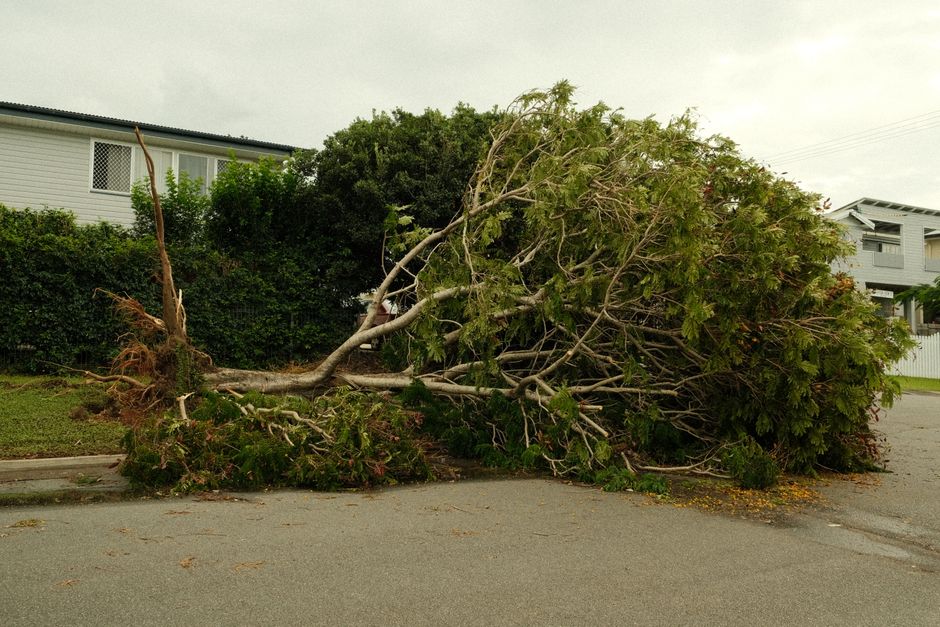
Emergency tree and storm garden rescue Enfield Highway gardeners
When a storm hits, a garden can go from tidy to chaotic in minutes. A branch splits with a crack, a fence leans at an odd angle, pots scatter across the patio, and suddenly you are dealing with more than a mess. You are dealing with safety, access, and damage control. That is where Emergency tree and storm garden rescue Enfield Highway gardeners comes in: a practical, fast-response service for unstable trees, windblown debris, broken boundaries, and the kind of garden damage that simply cannot wait until next week.
If you are in Enfield Highway and looking at a fallen limb, a blocked path, or a tree that now looks a bit too adventurous for comfort, this guide walks you through what to do, what a rescue visit usually involves, and how to decide whether you need immediate help or a planned follow-up. It is written to help you act calmly, not panic. Because, let's face it, storms already do enough of that for you.
For broader support beyond the emergency itself, you may also want to look at professional gardening services, or, where debris has spread through the whole plot, garden clearance can be the sensible next step after the urgent risks are dealt with.
Table of Contents
- Why Emergency tree and storm garden rescue Enfield Highway gardeners Matters
- How Emergency tree and storm garden rescue Enfield Highway gardeners Works
- Key Benefits and Practical Advantages
- Who This Is For and When It Makes Sense
- Step-by-Step Guidance
- Expert Tips for Better Results
- Common Mistakes to Avoid
- Tools, Resources and Recommendations
- Law, Compliance, Standards, or Best Practice
- Options, Methods, or Comparison Table
- Case Study or Real-World Example
- Practical Checklist
- Conclusion
- Frequently Asked Questions
Why Emergency tree and storm garden rescue Enfield Highway gardeners Matters
Storm damage is rarely just cosmetic. A branch hanging over a driveway can fall at the worst possible moment. A tree with a split trunk may still look partly upright, but it can fail suddenly under wind load. Saturated soil can loosen roots and tilt smaller trees. Even something as simple as a downed hedge or torn fencing can create a chain reaction: pets escape, pedestrians are at risk, water flow changes, and neighbouring property is left exposed.
That is why emergency garden rescue is not just about "tidying up after bad weather". It is about reducing immediate danger and preventing the problem from spreading. In a built-up area like Enfield Highway, where gardens often sit close to paths, sheds, patios, and boundary lines, the consequences of delay can be surprisingly serious. A small hesitation can become a bigger repair bill. Sometimes, sadly, it is that plain.
There is also a seasonal reality here. High winds, heavy rain, and sudden temperature shifts tend to expose weak points that were already there. Trees with old pruning wounds, storm-stressed roots, or neglected overgrowth are more likely to fail when weather turns. Emergency rescue work helps you intervene at the right moment, not after the second branch has come down.
Practical takeaway: if a tree, branch, fence, or garden structure looks unstable after a storm, treat it as a safety issue first and a landscaping issue second.
How Emergency tree and storm garden rescue Enfield Highway gardeners Works
Emergency storm response is usually straightforward in principle, even if the scene looks messy. The aim is to assess risk, make the area safe, remove immediate hazards, and then decide what needs repair, pruning, or full removal later. Good teams do not rush straight in with tools. They look, listen, and check the load-bearing parts first. A fallen branch may be obvious; a cracked fork above it may not be.
In a typical call-out, the process often looks like this:
- Initial description of the problem. You explain what has happened, what is damaged, and whether anyone is currently in danger.
- Risk triage. The responder decides whether the issue is urgent, high-risk, or can wait for a planned visit.
- Site arrival and safety check. The area is inspected for unstable trees, overhead hazards, broken glass, loose fencing, trip hazards, and blocked access.
- Controlled make-safe work. Dangerous limbs are reduced, debris is cleared from key access routes, and unstable features are stabilised or isolated.
- Follow-up recommendations. You are told what needs further tree surgery, replacement planting, or garden repairs once the site is safe again.
The important thing is that "emergency rescue" does not always mean complete removal. Sometimes it means selective pruning, sectional dismantling of a damaged limb, or making an awkward structure safe until a fuller plan can be arranged. That distinction matters, because over-removal can be as unhelpful as under-action.
If tree structure itself is the main issue, a specialist tree surgery visit is often the right route. If the damage is more about a full garden reset after debris, soggy beds, and broken features, then a broader garden maintenance or clearance approach may follow.
Key Benefits and Practical Advantages
The biggest benefit is obvious: safety. But the practical advantages go further than that. Emergency rescue work can prevent further structural failure, reduce clean-up time, and protect the parts of the garden that were not damaged in the first place. It can also help you avoid making rushed decisions on a wet, windy day when the situation is not easy to read.
- Reduced risk to people and pets. Loose branches, slippery surfaces, and leaning trees become less of a threat.
- Protection for buildings and hard surfaces. Sheds, fences, patios, decking, and glazing are less likely to suffer secondary damage.
- Faster access restoration. Paths, gates, side returns, and driveways can be cleared so normal life can resume.
- Better long-term tree decisions. A professional assessment helps you know what can be saved and what cannot.
- Less wasteful work later. Clearing hazards now often prevents larger, more expensive repairs later.
There is also peace of mind, which is not a small thing. After a storm, many people spend the evening peering out of the window thinking, "Is that branch moving, or am I imagining it?" Getting an expert view takes that uncertainty away.
For properties where the storm has also damaged boundary lines, it can make sense to pair rescue work with fencing repairs or, where access and layout need more thought, landscaping support.
Who This Is For and When It Makes Sense
This service is for anyone whose garden has become unsafe or difficult to use after wind, rain, or a sudden tree failure. That includes homeowners, landlords, tenants with permission to report urgent maintenance, and property managers dealing with shared outdoor spaces. It is particularly relevant where a tree leans towards a house, a large limb has landed across a path, or storm debris has made the garden inaccessible.
It also makes sense if you are not sure whether the issue is urgent. Truth be told, many people wait too long because they hope a damaged tree will "settle down" once the weather passes. Sometimes it does. Often it does not. If the trunk has split, roots are lifting, or a branch is hanging by a strip of bark, that is not the time for optimism.
Common scenarios include:
- a tree branch blocking a driveway or rear access
- fence panels shattered by falling limbs
- heavy debris pressing onto shrubs or flower beds
- waterlogged soil causing trees or shrubs to lean
- broken garden structures creating sharp edges or trip risks
- wind-torn hedging leaving openings or exposed boundaries
If the storm has left the whole plot looking overwhelmed rather than merely damaged, a combination of emergency response and gardeners who can handle the wider cleanup is usually more effective than trying to tackle it piecemeal.
Step-by-Step Guidance
Here is the clearest way to approach a storm-damaged garden without making things worse.
- Stay out of the danger zone. Do not stand under damaged limbs or lean on a tree to test it. That sounds obvious, but people do it. Quite a lot, actually.
- Keep others away. Close gates, move children and pets inside, and stop anyone from walking beneath unstable branches.
- Look for obvious immediate hazards. Check for fallen power lines, broken glass, sharp timber, and blocked exits. If anything electrical is involved, treat it as a serious hazard and keep clear.
- Take a few photos from a safe distance. This helps with explaining the damage and may be useful if you need to discuss repairs later.
- Describe the problem clearly when you call. Mention whether the issue is a fallen tree, hanging branch, leaning trunk, broken fence, or widespread debris.
- Ask what can be made safe first. The first job is usually hazard reduction, not perfection. A garden can be made safe before it is made pretty again.
- Plan the follow-up work. After the emergency is handled, decide whether you need pruning, removal, replanting, fencing, or general garden restoration.
A sensible approach saves time. For example, if a storm has brought down one mature branch onto a hedge, the urgent work might be to remove the branch, inspect the tree for structural damage, and then trim the hedge later when the site is dry and safer. Small order, big difference.
Expert Tips for Better Results
The best storm recovery jobs are the ones that are handled calmly and in the right order. A few practical habits make a real difference.
1. Start with the load, not the mess
Clear thinking begins by identifying what is under tension, under pressure, or likely to shift. A branch that looks harmless on the ground may still be pinned under another limb. Release sequence matters. It really does.
2. Keep pruning decisions conservative in emergency mode
Emergency cuts should make the area safe, not reshape the whole tree on the spot. Once a tree is stressed, too much cutting can make it worse. Better to stabilise first, assess second, and complete any larger pruning later.
3. Pay attention to the ground
After heavy rain, the soil may be soft around roots, edging, and posts. Slippery turf, hidden holes, and muddy gradients can turn a simple cleanup into a fall risk. You will notice this most near lawns and borders that hold water.
4. Think about drainage and future resilience
If a storm has exposed chronic puddling, compacted soil, or rotting timber close to the tree line, it may be worth looking at the wider garden layout. Sometimes the rescue work is the beginning of a better long-term fix, not the end.
5. Keep the rest of the garden in mind
It is easy to focus on the dramatic damage and ignore nearby features. But patios can shift, decking can splinter, and sleepers can move when a large limb lands nearby. If those areas need attention, patio cleaning and decking services may be relevant after the urgent hazard is removed.
One small human truth here: the calmest-looking garden after a storm often hides the most awkward problem. A branch can look "not too bad" and still be quietly dangerous. That is why second opinions are so useful.
Common Mistakes to Avoid
People often make the same avoidable errors when a storm has caused damage. Some are understandable. Some are a bit brave for all the wrong reasons.
- Trying to pull down hanging branches by hand. This is how minor damage becomes a major injury.
- Assuming a leaning tree will right itself. Trees do not usually have a "just sorting itself out" phase.
- Cutting without checking what is supporting what. One wrong cut can shift weight suddenly.
- Standing on wet, unstable ground with no clear exit route. Slips happen fast, especially around broken timber and mud.
- Waiting too long because the weather has improved. Damage does not become safe simply because the rain stopped.
- Forgetting about neighbouring property. A failing boundary or overhanging limb can cause disputes if not handled sensibly.
Another common mistake is over-cleaning before the hazard is assessed. Moving every branch and leaf can disturb clues about what actually happened. A little patience helps. Not forever, just enough to work in the right order.
Tools, Resources and Recommendations
Emergency garden rescue is not just about saws and loppers. It is about using the right tools for the right stage of the job, plus a few practical safeguards that reduce risk.
| Need | Typical approach | Why it matters |
|---|---|---|
| Immediate hazard reduction | Careful limb removal, isolation of unstable areas, controlled cutting | Prevents sudden movement and protects access routes |
| Storm debris clearing | Grouped removal of branches, leaves, and broken materials | Keeps the site manageable and reduces trip hazards |
| Tree assessment | Visual inspection of trunk, roots, crown, and branch unions | Helps decide whether the tree can be retained safely |
| Boundary repair | Fence replacement or temporary stabilisation | Restores privacy, security, and containment |
| Garden reset | General tidying, cutback, re-edging, and surface cleaning | Brings the space back into use after emergency work |
Useful equipment in a professional response usually includes PPE, securing gear, cutting tools suited to the size of the branch, and cleanup equipment for heavier waste. But equipment alone is not the point. Judgement is. A skilled gardener or tree specialist knows when to stop, when to reduce risk, and when a job needs a different approach altogether.
If you are comparing follow-up services, it can help to read about tree lopping and removal and hedge trimming so you understand what each type of work is best suited for after the storm has passed.
Law, Compliance, Standards, or Best Practice
Storm rescue work sits in the practical world of safety first, tidy later. While each job is different, a few best-practice points are worth keeping in mind in the UK.
Where trees are involved, it is generally sensible to consider ownership, boundary position, and any impact on neighbouring land before major work begins. If a tree is protected or subject to local restrictions, additional checks may be needed before non-urgent work is carried out. In emergencies, safety comes first, but it is still wise to keep records of what was damaged and why immediate action was necessary.
For contractors, sound practice usually includes:
- using appropriate personal protective equipment
- keeping the site controlled and not open to passers-by
- carrying insurance suitable for the work being done
- following a documented safety process before cutting
- separating urgent make-safe work from longer-term repairs
That is why it helps to choose a team that is open about process and safety. Pages such as health and safety policy and insurance and safety are useful indicators of how a service approaches risk, even before anyone steps into the garden.
Best practice also includes environmental care. Not every storm-damaged branch should automatically become waste. Some green material can be recycled responsibly, and if the work creates a large amount of arisings, it is worth asking how disposal and reuse are handled. The recycling and sustainability approach matters more than people sometimes think.
Options, Methods, or Comparison Table
Not every storm-damaged garden needs the same kind of response. The right method depends on risk, tree size, access, and how much of the garden is affected.
| Method | Best for | Pros | Limits |
|---|---|---|---|
| Emergency make-safe visit | Immediate hazards, blocked access, hanging branches | Fast, focused, safety-led | Usually not a full restoration job |
| Tree surgery | Split limbs, poor structure, damaged crowns, root stress | More precise and long-term | May need a separate visit after the storm |
| Tree lopping and removal | Severely unstable or irreparably damaged trees | Removes the hazard decisively | Loss of mature tree cover |
| Garden clearance | Widespread debris, scattered waste, post-storm reset | Restores usability quickly | Does not solve structural tree issues on its own |
| Landscaping follow-up | Broken layout, damaged beds, disturbed borders, surface repair | Improves the garden beyond the repair stage | Usually not urgent emergency work |
In practice, many storm jobs use a mix of methods. A broken limb may need emergency reduction, the damaged tree may later need tree surgery, and the garden floor may then need clearance and restoration. That layered approach is often the cleanest way forward.
Case Study or Real-World Example
Here is a realistic kind of scenario, the sort that turns up after a windy night. A mature garden tree loses a heavy side branch that lands across part of a lawn and rests against a fence. The fence panel is cracked, the branch is still under tension, and the side gate is hard to open. Nothing is fully collapsed, but the garden is awkward and not safe for children or pets.
The sensible response is not to drag the branch away in one go. First, the unstable section is assessed from a safe angle. Then the branch is reduced in controlled sections so the pressure comes off the fence without a sudden shift. Once that hazard is removed, the fence can be inspected, the area cleared, and the remaining tree checked for split wood or hidden cracks near the branch union.
After that, the owner can decide whether the next step is a small repair, a fuller fencing job, or further tree work. If debris has spread into borders and across paving, a follow-up clean-up may include lawn care for the damaged turf and a general tidy-up around the edges. It sounds simple written down. In real life, with drizzle in the air and half the garden looking tired, it needs a steady hand.
The key lesson from situations like this is not dramatic. It is practical: secure the danger first, then restore the space in stages. That order protects both people and property.
Practical Checklist
Use this checklist after a storm if your garden in Enfield Highway has taken a hit.
- Keep everyone away from hanging branches and leaning trees
- Check for blocked exits, broken glass, or sharp debris
- Look for signs of root lift, trunk splitting, or unstable fencing
- Take safe photos from a distance
- Do not attempt to cut or pull heavy limbs yourself
- Arrange emergency help if the garden is unsafe or inaccessible
- Ask whether the problem needs tree surgery, removal, or a simple make-safe visit
- Plan follow-up clearing once the danger has been reduced
- Review nearby structures such as patios, decking, and fences
- Keep records of any repair work completed
Quick summary: If the problem can hurt someone, block access, or worsen with wind, it is an emergency. If it is mainly untidy, it can probably wait for a planned visit. The grey area in between? That is where a professional judgment call saves time and stress.
Get a free quote today and see how much you can save.
Conclusion
Storm damage never arrives neatly. It comes with noise, wet leaves underfoot, awkward angles, and the slightly miserable feeling that your garden has turned against you. But most of the time, with the right emergency response, things are recoverable. The goal is not only to clear what fell, but to make the space safe, stable, and workable again.
Emergency tree and storm garden rescue is about calm action under pressure. It protects people first, then property, then the longer-term shape of the garden. Whether the issue is a hanging limb, a damaged fence line, or a full post-storm cleanup, the right help turns a stressful mess into a clear plan. And once the worst is dealt with, the rest feels much more manageable. That's usually the moment people breathe out properly.
If you want to explore more about the team behind the service, you can review the company's about us page or make use of the straightforward pricing and quotes information before deciding what to book next.
Frequently Asked Questions
What counts as an emergency tree or storm garden rescue?
Anything that creates immediate danger, blocks access, or risks further collapse usually counts as an emergency. That includes hanging branches, leaning trees, broken fences under load, and storm debris that makes the garden unsafe to enter.
Should I try to move a fallen branch myself?
Not if it is large, pinned, or still under tension. Branches can spring, roll, or shift without warning. If in doubt, leave it and get it assessed from a safe distance.
How quickly should emergency garden damage be dealt with?
If there is a safety risk, it should be handled as soon as possible. Even if the weather has calmed, unstable trees and branches can fail later, especially if the ground is soft or the wind picks up again.
Is tree surgery always needed after a storm?
No. Sometimes a controlled make-safe visit is enough. Tree surgery is more likely if the tree has a split crown, structural damage, or a branch that needs careful reduction rather than simple removal.
Can a storm-damaged tree be saved?
Often, yes, depending on the type of damage and how much structure remains. A professional assessment is the best way to judge whether the tree can recover or whether removal is the safer option.
What happens to the debris after emergency work?
Usually it is gathered and taken away in a controlled way. Some material may be suitable for recycling or responsible disposal, depending on the condition and type of waste.
Do I need to worry about my fence after a tree falls?
Yes, especially if the tree or branch has leaned on it. Even if the panel still stands, posts can be cracked or loosened below the surface. A fence can look fine and still be weak, which is annoying, but common.
How do I know whether to choose tree removal or repair?
If the tree is severely unstable, structurally split, or likely to fail again, removal may be the safer option. If the damage is limited and the tree still has a sound framework, repair or pruning may be enough.
Can emergency work be followed by full garden restoration?
Yes. In many cases the emergency visit is only the first stage. Once hazards are removed, the garden may need clearing, turf repair, boundary repairs, or broader landscaping work.
What should I ask before booking help?
Ask how the site will be made safe, whether the team is insured, what follow-up work might be needed, and whether they can handle both emergency response and later clearance. Clear answers are a good sign.
Is it worth booking a general garden tidy after storm damage?
Usually yes, if the storm has scattered debris or damaged beds, lawns, and edges. A proper tidy-up can stop small problems from lingering and help the garden feel normal again sooner.
Where can I find more general support for ongoing garden upkeep?
If the storm has highlighted wider maintenance issues, services such as garden maintenance and gardening services can help keep the garden in better shape for the next rough spell.