020 3744 3778
Expert Tips for Reducing Wind Stress in Your Garden
Posted on 01/10/2025
Expert Tips for Reducing Wind Stress in Your Garden
Wind can be both a blessing and a curse in any garden. While gentle breezes help pollinate plants and cool your landscape, strong winds can cause significant damage--breaking stems, drying out foliage, and eroding soil. If you're searching for effective, long-lasting strategies to minimize wind impact, you're in the right place. In this comprehensive guide, we'll reveal expert tips for reducing wind stress in your garden, ensuring robust plant growth, reduced maintenance, and a greener, healthier outdoor oasis.
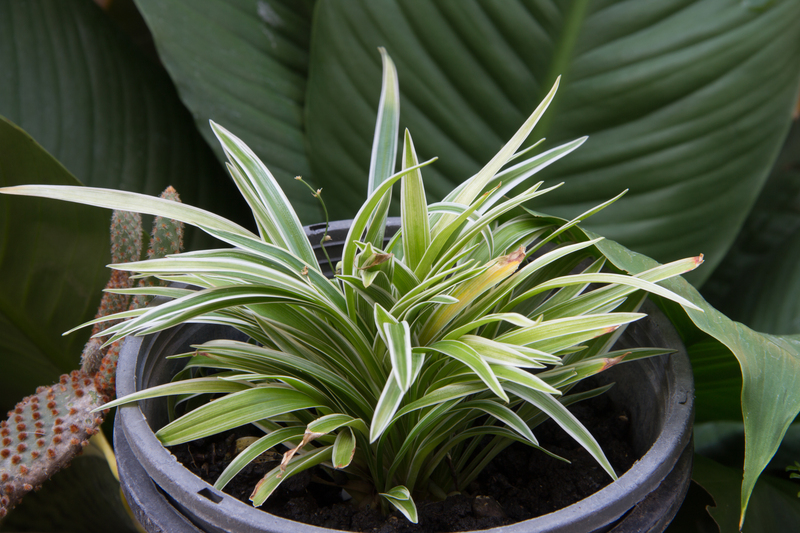
Understanding Wind Stress on Plants
Before diving into solutions, it's essential to grasp how wind stress affects your garden. Excessive wind can:
- Break or bend delicate stems and branches
- Increase evaporation of soil moisture, leading to plant dehydration
- Reduce pollinator visits as bees and butterflies are less likely to fly in strong winds
- Promote soil erosion, particularly in exposed beds and slopes
- Cool plant leaves rapidly, which can hinder growth and cause leaf scorch
Given these potential problems, it becomes clear why mastering wind stress reduction in gardening is crucial for any home gardener or landscape enthusiast.
1. Assess the Wind Patterns in Your Garden
Every garden's exposure to wind is unique. Take note of the following :
- Prevailing wind direction throughout the year
- Areas most exposed, such as open fence lines, hills, or rooftop gardens
- Wind speed and intensity (consider a basic garden wind gauge)
Mapping your garden's wind patterns will help you develop a tailored, effective plan for minimizing wind effects on plants.
2. Incorporate Windbreaks for Maximum Protection
Windbreaks are your first line of defense against strong winds. These barriers help slow down and redirect air flow, creating a calmer microclimate. Effective windbreak options include:
- Living Windbreaks
- Plant evergreen shrubs or dense hedges (like boxwood, privet, or holly) along exposed boundaries
- Use native trees such as oak, pine, or cedar as shelterbelts where space allows
- Layer windbreaks at different heights to offer protection at every level
- Artificial Windbreaks
- Install slatted or woven wooden fences (allow some air to pass through to reduce turbulence)
- Utilize mesh screens or trellises covered with climbing plants like clematis or ivy
Experts recommend windbreaks be semi-permeable rather than solid--this assimilates natural wind flow and prevents damaging gusts from whipping over the top or around the sides.
3. Strategic Plant Placement
Using your wind exposure map, arrange your most wind-sensitive plants in the most sheltered locations. Key tips include:
- Position tall perennials and delicate annuals behind windbreaks
- Group plants closely to create mutual wind reduction and microclimates
- Place containers and raised beds near existing structures (walls or fences) for extra shelter
- Protect vegetable gardens and seedbeds, which are especially vulnerable to wind damage
The golden rule: Always put your most fragile plants in the least windy spots.
4. Select Wind-Resistant Plants for Garden Success
Some plants naturally withstand wind better than others. If your garden is frequently exposed, consider these wind-tolerant species:
- Ornamental grasses (such as Miscanthus, feather reed grass, and fescues)
- Sturdy shrubs and hedges (e.g., berberis, viburnum, escallonia)
- Coastal or prairie plants (like lavender, sedum, and sea thrift)
- Trees with flexible branches (willow, birch, mountain ash)
By integrating these varieties into your landscaping, you'll naturally reduce wind stress on your entire garden while introducing color and texture.
5. Mulch for Moisture and Soil Protection
One of the most effective wind stress prevention tips is mulching your planting beds generously. Here's why:
- Mulch prevents soil erosion by anchoring surface soil during windstorms
- It reduces water evaporation, keeping roots hydrated
- Organic mulches (bark chips, straw, shredded leaves) add nutrients and attract soil life
- Suppresses weeds that compete for water during dry, windy conditions
Apply a 2-4 inch layer of mulch around your plants, making sure to keep it a couple of inches away from stems and trunks to prevent rot.
6. Use Garden Structures to Offer Shelter
Permanent or temporary garden structures can provide immediate wind relief. Consider these alternatives:
- Arbors, pergolas, and gazebos - these not only act as wind barriers but add architectural interest
- Row covers and cloches - particularly useful for young or newly planted vegetables
- Install temporary windbreak fabric or burlap screens during the windiest seasons
Creative placement of these features can reduce wind speed and create comfortable zones for both plants and people alike.
7. Implement Good Staking and Support Techniques
If you're dealing with tall flowers, vegetables, or saplings, proper staking is critical for surviving windstorms. Use these best practices:
- Use wide, soft ties (like fabric or rubber) to avoid damaging stems
- Stake at an angle or use multiple supports for extra security
- Avoid tying too tightly; allow plants to sway gently--movement helps them develop strength
- Check stakes and ties regularly and adjust as necessary throughout the growing season
Correct staking is a smart, proactive way to reduce wind stress for vulnerable plants.
8. Water Wisely in Windy Gardens
Wind increases evaporation, making it harder for plants to stay hydrated. To optimize watering in wind-prone gardens:
- Water deeply and early in the day, so moisture reaches the root zone and evaporation is minimized
- Use soaker hoses or drip irrigation under mulch for targeted, efficient watering
- Group moisture-loving plants together for more effective irrigation
- Check soil moisture often, especially during hot or gusty spells
Well-hydrated plants recover from wind stress faster and are generally more resilient overall.
9. Maintain Healthy Soil Structure
Good soil structure helps roots anchor securely and absorb vital nutrients. To build robust, wind-resistant soil:
- Incorporate organic matter (like compost or aged manure) regularly
- Avoid compacting soil by walking only on paths or using raised beds
- Plant cover crops in the off-season to stabilize soil
Healthy, living soil gives plants a fighting chance against wind damage.
10. Monitor, Adjust, and Improve
Reducing wind stress in your garden is an ongoing process. Regular monitoring allows you to:
- Identify new problem spots as trees or structures mature
- Replace or improve windbreaks as needed
- Adjust plant placement or support systems seasonally
Observing your garden's response to wind is the fastest way to perfect your strategy and keep your favorite plants thriving.
Additional Pro Tips for Minimizing Wind Stress in the Garden
- Install vertical garden elements (such as living walls) to harness both wind protection and extra space for planting
- Cultivate groundcovers to reduce soil moisture loss and prevent erosion
- Train climbing plants on trellises to act as natural wind filters for smaller plants
- Consider alternative layouts, such as circular beds, which deflect wind more efficiently than long, straight rows
- Use stones, logs, or raised mounds as subtle windbreaks and heat sinks

Frequently Asked Questions About Garden Wind Stress
How do I know if my plants are suffering from wind stress?
Typical symptoms include bent or broken stems, leaf scorch or curling, and excessive water demand even after regular watering. Yellowing leaves and stunted growth also signal that wind stress is taking a toll.
Are solid fences or walls better than planted windbreaks?
In most situations, planted windbreaks or semi-permeable fences work better than solid walls, as they gently slow wind instead of causing damaging eddies and gusts. Living windbreaks also provide year-round habitat and visual interest.
What's the best time to plant windbreak trees or shrubs?
Early spring or fall, when soil is moist and roots can establish before intense weather, is ideal. Choose species adapted to your local climate for best results.
Can raised beds help reduce wind damage?
Yes. Raised beds create a defined space and, with proper windbreaks or companion plants, can offer improved protection for tender crops and flowers.
How far should windbreaks be from my main planting area?
Place windbreaks at least 5-10 times the height of the barrier away from the area you want to protect. For example, a six-foot hedge will best shelter plants within a 30-60 foot leeward zone.
Conclusion: Create a Wind-Resilient Garden Sanctuary
While you can't control the weather, you can design your landscape to minimize wind impact and nurture healthy, resilient greenery. By applying these expert tips for reducing wind stress in your garden, you'll protect vulnerable plants, reduce water loss, and set the stage for lush blooms and harvests year after year.
Start by understanding your garden's unique wind exposure, then combine strategic barriers, thoughtful plant choices, and smart watering techniques for a thriving, wind-proofed retreat. Your plants - and your peace of mind - will thank you!
Latest Posts
Transforming a Backyard into a Kid-Friendly Oasis
Expert Tips for Reducing Wind Stress in Your Garden
Secrets to Successfully Growing a Rich Herb Oasis