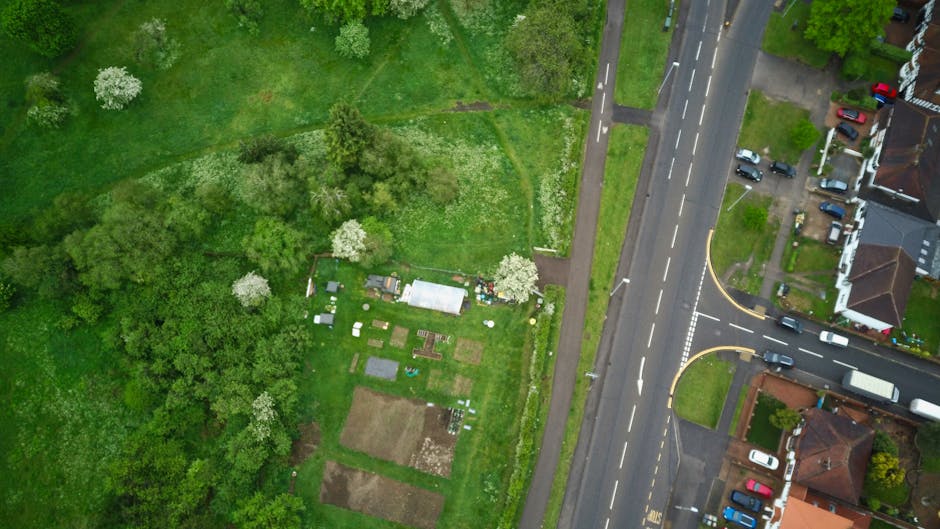
Hertford Road verge clearance by gardeners Enfield Highway: a practical local guide for safer, tidier frontages
If you live or work near Hertford Road, you'll know how quickly a verge can go from neat to neglected. A few weeks of rain, fast-growing weeds, dropped litter, and spreading grass can leave a frontage looking messy and hard to manage. Hertford Road verge clearance by gardeners Enfield Highway is the sort of service people turn to when they want the edge of their property, shopfront, or access path brought back under control without fuss.
Done well, verge clearance is not just about appearances. It helps keep entrances visible, reduces trip hazards, prevents overgrowth from swallowing boundaries, and makes the whole place feel cared for. In this guide, we'll walk through what verge clearance involves, how it works, when it makes sense, and what to expect if you're planning a tidy-up along Hertford Road. We'll also cover practical tips, common mistakes, and a simple checklist you can actually use. No fluff. Just the useful stuff.
Why Hertford Road verge clearance by gardeners Enfield Highway Matters
Verge clearance looks simple from the pavement. Cut back the weeds, sweep the mess away, job done. But in real life, roadside and boundary verges take a lot of punishment. Traffic throws up dust and debris. Rain compacts soil. Footfall turns edges muddy. A single patch of bramble or ivy can spread far more quickly than people expect. Before long, a small job becomes a proper maintenance issue.
On Hertford Road, that matters for a few reasons. First, presentation. A tidy verge frames a property properly, whether it's a home, a rented building, a commercial unit, or a shared frontage. Second, access. Overgrown verges can make it harder to open gates, use bins, walk safely, or see approaching pedestrians and cyclists. Third, long-term care. If you let coarse weeds and self-seeded growth sit there too long, they can damage the soil structure and make the next clearance harder than it needs to be.
There's also the simple human factor. People notice a well-kept edge. They do. You may not get a medal for it, but the place feels different straight away-cleaner, calmer, better run. That can matter more than many property owners expect, especially where first impressions count.
If your verge forms part of wider boundary work, it can help to look at related services such as routine garden maintenance or, where the edge is dominated by hedging, professional hedge trimming in Enfield Highway. Sometimes the neatest result comes from tackling the whole frontage as one job rather than chasing symptoms bit by bit.
How Hertford Road verge clearance by gardeners Enfield Highway Works
Good verge clearance usually starts with assessment. A gardener looks at what is actually growing there, how thick the growth has become, what lies underneath, and whether the edge needs light tidying or a deeper reset. That sounds obvious, but it's the difference between a quick haircut and a proper recovery plan.
In practice, the process often includes a combination of cutting, pulling, edging, sweeping, and waste removal. If the verge is mainly soft growth, a careful cut-back may be enough. If it's full of roots, runners, bramble, or invasive weeds, more thorough removal is needed. And if the area is compacted or starved of healthy planting, the gardener may suggest follow-up work so the verge doesn't slip back into a mess within a fortnight.
For many properties, the work is carried out in stages:
- Initial inspection to identify overgrowth, hazards, and boundary issues.
- Clearance of weeds, long grass, litter, and dead plant material.
- Edging to restore a clean line along the pavement, fence, wall, or drive.
- Pruning or cutting back where shrubs, ivy, or hedge growth has spilled outward.
- Green waste collection so the site is left tidy rather than with a pile of clippings sitting around.
- Optional follow-up advice to prevent fast regrowth.
Truth be told, the quality of the finish matters more than the speed of the cut. Anyone can rip through a verge with a strimmer. A proper gardener leaves a crisp edge, safe access, and a cleaner surface that won't look rough again by Tuesday afternoon.
If the verge is heavily entangled with climbing growth, you may also find it helpful to read about removing stubborn ivy or reducing weed overgrowth. Those topics come up more often than you'd think on roadside edges.
Key Benefits and Practical Advantages
There are obvious visual benefits to verge clearance, but the practical wins are often bigger.
- Better kerb appeal - A clean verge makes the whole frontage look cared for and more inviting.
- Safer access - Reduced trip hazards, fewer hidden edges, and better visibility near entrances.
- Less weed spread - Clearing before weeds seed can save time and money later.
- Improved boundary definition - You can actually see where one space ends and the next begins.
- Reduced maintenance pressure - A cleared verge is easier to inspect and keep under control.
- Better use of space - Where appropriate, you can later replant or reshape the edge with something lower-maintenance.
There's a quieter benefit too: peace of mind. A neglected verge can nag at you every time you arrive home or open a business in the morning. Once it's sorted, that little background irritation disappears. Small thing, but it makes a difference.
For homeowners thinking beyond clearance, some verges can be converted into cleaner, lower-maintenance borders with hardy ground cover. If that sounds like your sort of fix, take a look at ground cover ideas for UK gardens. And if the frontage needs a broader refresh, landscaping support can help turn a bare edge into something more considered.
Who This Is For and When It Makes Sense
Verge clearance is useful for more people than you might expect. It isn't only for homeowners with a wild front garden. In fact, some of the most common situations are very everyday.
- Homeowners who want a smarter approach to front boundaries or roadside edges.
- Landlords needing a property to look maintained between tenancies.
- Small businesses where a tidy frontage improves trust and access.
- Residents' associations managing shared edges or communal approach areas.
- Anyone preparing for photos, a viewing, or a sale and needing the outside to stop dragging down first impressions.
It makes sense when the verge has become difficult to keep on top of with ordinary tools, or when the issue is beyond a quick mow. It also makes sense after storms, during periods of rapid spring growth, or when weeds have crossed the line from "a bit messy" to "properly untidy."
Some people wait too long because the job looks small. Then they look at it after a wet week and think, right, not small anymore. Fair enough. That happens all the time.
Step-by-Step Guidance
If you're planning verge clearance, it helps to think through the job in a sensible order. That keeps the work efficient and avoids redoing tasks.
1) Inspect the verge properly
Start by checking what is actually there. Is it mostly grass, nettles, sticky weed, bramble, ivy, or a mix of everything? Is the area level, sloped, muddy, or obstructed by kerbs, posts, or drainage points? A careful look saves a lot of guesswork later.
2) Remove loose waste first
Before any cutting begins, pick up litter, broken branches, and anything that might catch tools. This is one of those dull steps that saves time and protects the finish. Also, it's a lot nicer not to slice through someone's plastic cup. You know the sort.
3) Cut back the bulk growth
Long grass and soft weeds can usually be cut down first. Dense or woody material may need repeated passes or hand removal. Keep an eye on the verge edge so the cut line stays even, not ragged.
4) Deal with roots and invasive growth
If ivy, bramble, or spreading weeds are anchoring into the soil, you'll need more than a surface trim. Pulling, digging, and selective removal may be needed. For climb-over or bindy areas, it often helps to pair clearance with a longer-term control plan.
5) Re-edge the boundary
A clean edge changes the whole look. It separates public verge from private boundary, which makes the frontage read as intentional rather than abandoned. This is one of the quickest ways to lift the appearance of an area.
6) Clear and remove green waste
Do not leave cuttings sitting there if you want a proper result. Rotting clippings can attract more weed growth, block drainage, and make everything look shabby again far too soon. Waste removal is part of the job, not an optional extra.
7) Finish with a maintenance plan
Even a well-cleared verge needs a little follow-up. Depending on growth rate, that might mean seasonal tidying, occasional edging, or a replacement planting plan using lower-maintenance species.
For readers who enjoy a more structured garden approach, the advice in first steps in gardening and low-maintenance budget garden ideas can be surprisingly helpful. Verge work and garden planning often overlap.
Expert Tips for Better Results
A few practical habits can make verge clearance look better and last longer.
- Cut on the right day. A dry day usually gives a cleaner finish and less soil smearing. Damp growth is slippery and messy.
- Don't scalp the ground. Cutting too low can expose soil and trigger faster weed regrowth.
- Watch the boundary line. The edge should be crisp, especially along paths and drives.
- Use hand tools where needed. Strimmers are useful, but not every section should be treated the same way.
- Look for cause, not just symptom. Compacted soil, poor drainage, and unmanaged hedge spill can all feed the problem.
- Follow clearance with prevention. Mulch, ground cover, edging, or a simple maintenance schedule can make a big difference.
One practical observation from real jobs: people often focus on the tallest weeds and forget the smaller re-seeding plants along the line. Those little ones are the sneaky bit. Leave them and they'll be back before you've had a chance to enjoy the tidy look.
If your verge sits beside a hedge, you may want to pair clearance with advice from hedge trimming techniques or a fuller hedge variety guide if you're thinking about replacing an overgrown boundary altogether.
Common Mistakes to Avoid
Verge clearance can go wrong in a few predictable ways. Avoiding these saves time and frustration.
- Leaving roots behind when a full removal is needed - surface cutting is not enough for persistent growth.
- Ignoring the waste - clippings left behind make a cleared verge look unfinished and can feed regrowth.
- Overusing power tools - aggressive cutting can damage edges, fencing, posts, and nearby plants.
- Skipping the boundary check - it helps to know where your responsibility starts and ends.
- Clearing once and forgetting it - most verges need at least some seasonal maintenance.
- Trying to replant too soon - if the soil is poor or compacted, the new planting may struggle.
There's also the "I'll just do a quick tidy" mistake. To be fair, sometimes a quick tidy really is enough. But if the verge has been ignored for months, a quick tidy can become a false economy. Better to assess it honestly from the start.
Tools, Resources and Recommendations
For gardeners carrying out verge work, the right tools make a big difference. The best kit depends on the scale and condition of the area, but these are the usual basics:
- Brush cutters or strimmers for longer grass and dense light growth.
- Hand shears and secateurs for controlled trimming near fences, gates, or softer planting.
- Spades or edging tools for defining clean lines.
- Rakes and bins for gathering cuttings and loose debris.
- Gloves and eye protection because, well, brambles and flying bits are nobody's idea of fun.
- Waste bags or a removal plan so cleared material doesn't linger.
For readers who want to understand the equipment side more clearly, this guide to useful gardening tools is a practical place to start. And if you're planning a bigger rework after the clearance, broader gardening services may be the more efficient route.
If you're thinking about how the cleared edge will look over time, it can also help to compare it with container gardening ideas or vertical gardening approaches. Those are useful when space is tight and you want the frontage to stay neat without constant cutting.
Law, Compliance, Standards, or Best Practice
With verge clearance, the main point is not to cause damage or create a hazard while tidying up. That sounds basic, but it's the right starting line. In the UK, best practice usually means keeping work safe, avoiding obstruction, and disposing of green waste responsibly. If a verge borders a pavement or road, extra care is needed around visibility, pedestrians, cyclists, and passing vehicles.
It is also sensible to check who is responsible for the verge before starting any major work, particularly if the edge sits near a highway, shared access, or communal frontage. Property boundaries can be awkward, and assumptions are where little disputes begin. A quick check beats an awkward conversation later.
From a professional standpoint, a good gardener should work in a way that avoids damage to underground services, boundary structures, and neighbouring planting. Proper risk awareness matters. If there's awkward access, steep ground, poor visibility, or large amounts of overgrowth, the safer choice is to slow down and use the right method rather than rush through.
You may also want to review service information such as health and safety policy details, insurance and safety guidance, and terms and conditions before booking any outdoor work. That kind of reading isn't glamorous, but it is useful. Slightly dull, yes. Useful, absolutely.
Options, Methods, or Comparison Table
Different verge clearance methods suit different conditions. A quick comparison helps.
| Method | Best for | Strengths | Limitations |
|---|---|---|---|
| Light strimming | Fresh grass and soft weeds | Fast, neat, efficient | Not enough for roots or woody growth |
| Manual clearance | Precise work near boundaries | Careful, controlled, less damage risk | Slower on large areas |
| Deep clearance | Brambles, ivy, and long-neglected verges | Removes the problem more fully | Takes longer and creates more waste |
| Clearance plus replanting | Verges that need a longer-term fix | Improves appearance and reduces repeat growth | Needs planning and aftercare |
For many Hertford Road properties, a blended method is best. A purely mechanical tidy can be fine for a short-term spruce-up. But if the verge is part of a frontage that you want to keep manageable, a more considered approach will usually pay off.
If you're also thinking about nearby hard landscaping or boundary work, related services such as patio cleaning, fencing, or tree surgery may be relevant depending on what's encroaching on the verge. Sometimes the overgrowth is only half the story.
Case Study or Real-World Example
Picture a typical frontage near Hertford Road: a narrow verge beside a driveway, a hedge that's crept outward, some long grass along the kerb, and a patch of ivy trying to take over the corner. Nothing dramatic. Just enough to make the place look tired.
A gardener arrives and first clears loose debris-bits of packaging, leaves, and broken twigs. Then the long grass is cut back, the edge is re-defined, and the hedge spill is trimmed so it stops folding into the pavement line. The ivy gets a more careful approach because simply hacking at it would leave a worse mess. After the waste is removed, the whole frontage looks bigger, clearer, and easier to walk past.
What changes most? It's not only the visual finish. The driveway feels more usable. The gate line is easier to see. The property suddenly looks looked-after again, not abandoned to chance. That's the sort of result people usually want, even if they don't say it in exactly those words.
And yes, sometimes the job is more modest than that. A little spring tidy can make a huge difference. Not every project needs a full reset.
Practical Checklist
Before booking or carrying out verge clearance, run through this checklist:
- Check what type of growth is present: grass, weeds, brambles, ivy, or mixed.
- Confirm whether the verge is private, shared, or likely to need boundary clarification.
- Look for hidden hazards such as stones, litter, uneven ground, or drainage points.
- Decide if you need a light tidy or a deeper clearance.
- Plan for green waste removal, not just cutting.
- Consider whether follow-up edging or maintenance will be needed.
- Think about longer-term solutions such as ground cover or replanting.
- Review safety and insurance information if a professional is doing the work.
- Ask for a clear quote and scope of work.
- Set a realistic maintenance interval so the verge stays under control.
If you want to explore how this fits into wider property care, it may help to look at about us and pricing and quotes before making a decision. Clarity upfront saves a lot of back-and-forth later.
Conclusion
Hertford Road verge clearance by gardeners Enfield Highway is really about restoring order where nature has got a bit too enthusiastic. It's a practical service, but also a reassuring one. A cleared verge makes a frontage safer, smarter, and easier to manage. It prevents small problems from becoming bigger ones, and it gives you back that tidy, settled feeling every property should have.
Whether you're dealing with a one-off overgrowth issue, a seasonal reset, or a verge that needs a more considered long-term plan, the right approach is always the same: inspect properly, clear carefully, finish cleanly, and keep an eye on what happens next. Simple enough in theory. A bit more involved in practice, as these things often are.
If your frontage on Hertford Road is starting to look unruly, now is a good time to act. A small intervention today can save a much bigger job later, and that's often the best kind of garden decision.
Get a free quote today and see how much you can save.
Frequently Asked Questions
What does verge clearance involve?
Verge clearance usually means removing weeds, long grass, brambles, ivy, litter, and other unwanted growth from the edge of a property or frontage. It often includes edging and green waste removal too.
How is verge clearance different from regular garden maintenance?
Regular maintenance tends to cover ongoing garden care, while verge clearance focuses on tougher boundary edges, roadside strips, and overgrowth that has built up over time.
Is Hertford Road verge clearance suitable for small front gardens?
Yes. In fact, smaller spaces often benefit most because a messy verge can make a compact frontage feel much more cluttered than it really is.
How often should a verge be cleared?
That depends on growth speed and exposure. Some verges need seasonal attention, while others may need more frequent light tidying during spring and summer.
Can verge clearance help with weeds coming back?
It can help a lot, especially when roots, runners, and seed heads are removed properly. That said, no verge is weed-proof forever, so follow-up maintenance matters.
Do gardeners remove the waste after clearance?
They should. A proper clearance job includes collecting and disposing of the cut material so the frontage is left tidy, not half-finished.
What if the verge has ivy or brambles?
Those need a more careful approach than a simple trim. Ivy and brambles can spread quickly and often need deeper removal or repeated control.
Will verge clearance damage nearby plants or fencing?
It shouldn't, if done carefully. A skilled gardener will use the right tools around borders, fences, and established planting to avoid unnecessary damage.
How do I know if I need clearance or landscaping?
If the area just needs cutting back and tidying, clearance may be enough. If the verge is repeatedly overgrown, bare, eroded, or awkwardly shaped, landscaping or replanting may be better.
Is verge clearance useful before selling a property?
Very much so. A tidy verge improves first impressions and helps the frontage feel cared for, which can support the overall presentation of the property.
Are there safety considerations for verge work near the road?
Yes. Work near traffic, pavements, or driveways should be carried out with care so that visibility, pedestrian movement, and access are not compromised.
How do I get a quote for the work?
The simplest route is to make an enquiry and describe the condition of the verge, the length of the frontage, and whether waste removal is needed. If photos are available, that usually helps too.
When a verge is cleared properly, the whole street edge feels more settled. And honestly, that calm, tidy look never gets old.