Real cost of garden maintenance in Enfield Highway: what to know before you book
If you are trying to work out the real cost of garden maintenance in Enfield Highway what to know before booking, you are not alone. Most people start with a simple question - "How much should this actually cost?" - and quickly find the answer depends on a lot more than the size of the garden. Condition, season, access, hedge height, lawn health, waste removal, and how often you want the work done all shape the final figure.
That is the honest version. Not the glossy brochure version.
In this guide, we break down the practical side of garden maintenance costs in Enfield Highway: what typically affects pricing, how quotes are usually built, where hidden extras can creep in, and how to judge value properly. We will also cover when routine care makes more sense than one-off tidy-ups, and how to compare services without getting lost in jargon. If you want a broader look at local garden upkeep options, you may also find the garden maintenance service overview useful.
One quick note: this is about making informed decisions, not chasing the cheapest possible number. The cheapest quote is rarely the best one if the garden ends up half-done or, worse, needs rework a fortnight later.
Table of contents
- Why the real cost matters
- How garden maintenance pricing usually works
- Key benefits and practical advantages
- Who this is for and when it makes sense
- Step-by-step guidance
- Expert tips for better results
- Common mistakes to avoid
- Tools, resources and recommendations
- Law, compliance, standards or best practice
- Options, methods and comparison
- Case study or real-world example
- Practical checklist
- Conclusion
- Frequently asked questions
Why Real cost of garden maintenance in Enfield Highway what to know Matters
Garden maintenance looks simple from the outside. Mow the lawn, trim the hedge, clear the weeds, tidy the borders, done. But in real life, the workload can change fast. A garden that looked "a bit untidy" in spring can become a major job by late summer, especially after rain, wind, and a couple of weeks of growth. That is why understanding the real cost matters before you agree to anything.
For homeowners in Enfield Highway, cost awareness is especially useful because gardens here often need a mixed approach. You might need regular lawn cutting, occasional hedge trimming, patio cleaning, and the odd intervention for overgrowth or stubborn ivy. A single visit may be enough for a light tidy-up, but neglected gardens can require several hours of labour, specialist equipment, and waste disposal. That is where pricing starts to move.
There is also a value angle. A properly maintained garden tends to stay cheaper to manage over time. Let weeds set seed, let hedges run wild, let moss build on paths, and next time the job is bigger. Simple, but true. The spend is not only about this month's invoice; it is about preventing next month's headache.
If you are budgeting carefully, it helps to think in layers:
- Routine maintenance keeps things under control.
- Seasonal work handles growth spikes, leaf fall, and weather damage.
- Restoration work is for gardens that need a proper reset.
That distinction matters because it changes everything from labour time to equipment required. A small tidy on a flat, open garden is one thing. A neglected plot with brambles, heavy hedge growth, and a slippery patio? Quite another. And yes, the quote should reflect that.
How Real cost of garden maintenance in Enfield Highway what to know Works
Most garden maintenance pricing is built from a few core ingredients. You will not always see them itemised line by line, but they are there in the background. Once you understand them, comparing quotes becomes much easier.
1. Labour time
Time is the biggest cost driver. A tidy front garden that takes 45 minutes is obviously different from a back garden that keeps a gardener busy for half a day. If a quote is based on time, ask what the estimate includes: mowing, edging, weeding, pruning, sweeping, waste collection, and disposal.
2. Garden size and complexity
Square footage matters, but layout matters just as much. Steps, narrow side access, steep slopes, dense planting, and hard-to-reach corners all add time. A compact garden with overgrown beds can actually take longer than a larger but simple one.
3. Frequency of visits
Regular maintenance is usually more efficient than emergency tidy-ups. Weekly or fortnightly visits spread the work out and reduce the amount of catch-up labour needed. If you wait two months between visits, the gardener may spend more time undoing overgrowth than maintaining the space.
4. Type of work
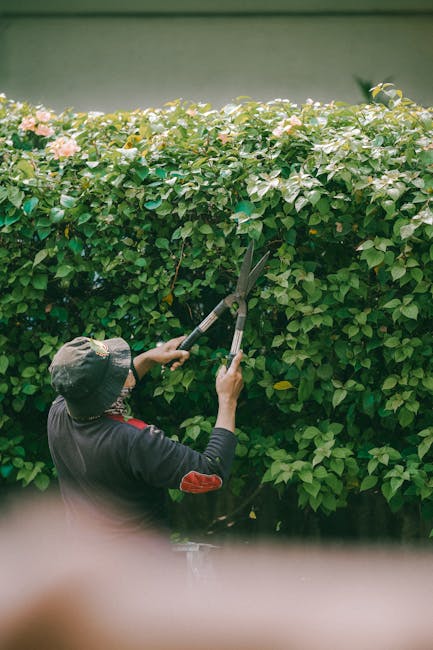
Routine lawn care is not the same as hedge reduction, and hedge reduction is not the same as full clearance. Services such as lawn mowing, lawn care, and hedge trimming in Enfield Highway sit in different effort bands. The more technical or physically demanding the task, the more you should expect the cost to rise.
5. Waste removal
Green waste disposal is often overlooked by customers, then suddenly becomes the surprise item on the invoice. Bags, transport, disposal time, and handling of bulky cuttings all matter. If the job creates a lot of waste, ask whether removal is included or charged separately.
6. Access and logistics
If tools need to be carried through a house, if parking is awkward, or if the garden can only be reached through a narrow passage, that affects the job. Not dramatically in every case, but enough to matter.
Good quotes usually reflect the actual work, not a vague guess. To be fair, a good quote should feel like someone has looked at the garden properly, not just glanced from the gate and said "yeah, that'll do."
Key Benefits and Practical Advantages
Knowing the real cost of garden maintenance in Enfield Highway gives you more than a number. It helps you make better choices, avoid waste, and keep your outdoor space in shape without overpaying for panic jobs.
Budget control
When you understand what drives pricing, you can plan around the work instead of reacting to it. That means fewer surprises and less chance of paying premium rates for an urgent cleanup.
Better service comparison
Two quotes can look similar on paper but cover very different levels of work. One may include waste removal and edging, while the other only covers mowing. Once you know what matters, you can compare properly.
Healthier garden outcomes
Regular maintenance supports healthier lawns, tidier borders, and better plant growth. If you are interested in practical plant choices that reduce upkeep, the guide to ground cover plants for UK gardens is a helpful companion read.
Less stress, fewer weekends lost
There is a quiet joy in opening the back door and seeing a garden that looks cared for. It makes a difference on a Saturday morning. No brambles in your face, no sneaky weeds on the patio, no sense of "I really should sort that out."
Long-term savings
Regular maintenance usually costs less than fixing neglect. Once hedges become overgrown or weeds take over, the work becomes more intensive and the bills tend to follow.
Who This Is For and When It Makes Sense
Garden maintenance is not just for people with sprawling lawns and showpiece borders. In our experience, the people who benefit most are often the ones with busy lives and a garden that has quietly become a job instead of a pleasure.
This makes sense if you:
- work long hours and do not have time for weekly upkeep
- are preparing a property for sale or letting
- have a lawn that needs consistent care
- have hedges, shrubs, or climbers that get out of hand quickly
- want a safer outdoor space for children or pets
- need help after a storm, a long holiday, or a season of neglect
It also makes sense if you have specific garden features that need occasional specialist attention. For example, a hedge that blocks light, ivy spreading where it should not, or a patio that has gone slippery and dull. If hedge growth is one of your biggest issues, it may be worth looking at the dedicated hedge trimming service rather than treating it as a simple tidy-up.
And then there are the lifestyle gardeners. You know the type. They enjoy the garden, but not the heavy lifting. They want the smell of cut grass, not a weekend spent wrestling with a strimmer. Fair enough, really.
For these households, maintenance is not a luxury. It is a practical way to keep outdoor space usable, safe, and enjoyable.
Step-by-Step Guidance
If you want a sensible way to estimate the real cost of maintenance in Enfield Highway, follow this sequence. It keeps the process grounded and stops you from paying for things you do not need.
- Walk the garden slowly
Do not just scan it from the patio door. Walk the whole space and note what actually needs doing: mowing, edging, deadheading, hedge cutting, weed removal, leaf clearance, jet washing, pruning, or full tidy-up. - Separate routine work from one-off jobs
Routine maintenance is easier to price and usually cheaper to keep up with. One-off tasks like clearance or restoration need more labour and sometimes more equipment. - List the awkward parts
Side access? Tall hedges? Dense ivy? A lawn with uneven patches? Mention them. Those are exactly the bits that change time and cost. - Ask what is included
Does the quote cover sweeping, bagging waste, disposal, and finishing touches? Or is it labour only? This is where misunderstandings happen. - Ask how often the work is needed
A monthly visit might keep the garden tidy, while a more active lawn may need fortnightly attention in peak growing months. Regularity often reduces the cost per visit. - Check whether related services would help
If the patio is stained or mossy, bundling in patio cleaning may be more efficient than leaving it for later. The same goes for broader outdoor improvements through general gardening services. - Compare quotes on the same basis
Make sure each provider is pricing the same scope. If one includes waste removal and another does not, you are not comparing like for like. - Review after the first visit
After the first job, check whether the result matches what you expected. Good maintenance should leave the garden neat without that "half done" feeling.
A small but useful tip: ask for the quote in writing, even if the estimate came over the phone. It saves a lot of awkwardness later. Nobody enjoys a surprise invoice, especially not on a damp Tuesday afternoon.
Expert Tips for Better Results
If you want to get better value from garden maintenance, a few practical habits go a long way. These are the little things that often separate a tidy, manageable garden from one that becomes expensive to look after.
- Keep on top of growth early. A small amount of weeding or pruning now usually costs less than a full recovery job later.
- Choose the right season for bigger jobs. Some tasks are simply easier when the weather is mild and the soil is workable.
- Group tasks together. If the gardener is already on site, it often makes sense to combine mowing, edging, and border tidying in one visit.
- Be honest about the state of the garden. No one benefits from under-describing the work. If the garden has gone wild, say so.
- Think about maintenance-friendly planting. Ground covers, hardy shrubs, and sensible spacing can reduce future labour. For inspiration, the article on low-maintenance budget garden ideas is worth a look.
One more thing. If your garden feels like it's constantly fighting back - weeds, shade, wet patches, wind stress - the maintenance plan should match the conditions, not just the wishlist. The right plan is the one that works on a real Enfield Highway garden, not a magazine spread.
And yes, some gardens really do seem to grow overnight. On a warm week in late spring, you can almost hear it happening. Sneaky, that grass.
Common Mistakes to Avoid
Most pricing problems come from a handful of avoidable mistakes. These are the ones that cause unhappy surprises, wasted time, or a garden that still looks untidy after the visit.
- Choosing only on price. The cheapest quote can leave out waste removal, edging, or proper finish work.
- Not defining the scope. "Garden tidy-up" can mean very different things to different people.
- Ignoring access issues. Narrow gates, locked side entrances, or parking difficulties can affect the job.
- Leaving long-neglected growth untreated. Letting hedges and weeds run for months usually increases the final cost.
- Forgetting seasonal patterns. Spring and early summer often bring stronger growth, so maintenance may need more frequent attention.
- Not asking about waste disposal. A pile of cuttings can be a real part of the cost, not an optional extra.
There is also a sneaky one: expecting every provider to work exactly the same way. They do not. Some are better for recurring maintenance, others are better for larger clearances or one-off heavy jobs. Choosing the right fit matters almost as much as choosing the right price.
If safety is a concern - and it often should be - take a look at the site's insurance and safety information before making a decision.
Tools, Resources and Recommendations
You do not need a shed full of equipment to understand maintenance costs, but a few simple resources help you judge what is going on in the garden before anyone starts work.
- Notebook or phone notes for listing the tasks you want done
- Photos of problem areas to show hedges, weeds, lawn patches, or overgrowth
- Measuring tape or rough pace count if you want a sense of garden size
- Calendar reminders to keep routine work regular rather than reactive
- A basic seasonal plan for lawn care, hedge trimming, and patio upkeep
For those who like to stay hands-on, the site's article on useful gardening tools is a practical starting point. If your garden is heavily leafed, shaded, or prone to damp, this can make routine upkeep much easier.
Some other useful reads for planning and maintenance mindset include weed control ideas, winter plant protection tips, and guidance on weather damage. They are not price guides, obviously, but they help you understand why gardens change so much across the year.
If the space is more than just lawn and borders - say, decking, fencing, or a tired corner that needs a bigger reset - then a broader landscaping service may make more sense than piecemeal fixes.
Law, Compliance, Standards, or Best Practice
For most domestic garden maintenance work, the key issues are less about complex regulation and more about sensible professional practice. Still, there are a few things worth knowing.
Health and safety should always be taken seriously. That means sensible use of tools, safe handling of ladders if hedge work is involved, careful awareness of trip hazards, and the right approach to waste and sharp materials. Good providers should be able to explain their working methods clearly. If they cannot, that is not ideal.
Waste handling is another practical point. Garden waste should be managed responsibly, and any disposal arrangement should be clear before the job begins. If green waste is going to be removed, ask how that is handled and whether it is included in the quoted price.
Insurance matters too. Accidents are rare, but tools, ladders, slippery surfaces, and heavy materials all bring some level of risk. Reputable services will normally be comfortable discussing this.
Access and neighbour considerations can also matter in a local setting. If work could affect a shared boundary, overhanging hedge, or side access, it is wise to plan carefully and avoid assumptions. A calm conversation up front usually saves drama later.
There is also a standards point: professional garden maintenance should leave the site tidy, safe, and visibly improved, not just "sort of better." That sounds obvious, but you would be surprised how often it gets missed.
For service detail and expectations, the site's terms and conditions, payment and security, and complaints procedure pages can help set expectations before work begins.
Options, Methods, or Comparison Table
One of the easiest ways to understand cost is to compare the common maintenance approaches side by side. The right choice depends on how much control you want, how much time you have, and how much the garden currently needs.
| Option | Best for | Typical cost driver | What to watch out for |
|---|---|---|---|
| DIY upkeep | Small, manageable gardens with light growth | Tools, time, consumables | Missed tasks, inconsistent care, and weekend drain |
| One-off tidy-up | Neglected gardens or pre-event cleanups | Labour intensity and waste disposal | Can become costly if the garden has severe overgrowth |
| Regular maintenance plan | Homes that want a consistently neat look | Frequency and task list | Needs clear scope so nothing gets skipped |
| Specialist-only visits | Hedges, trees, patios, or lawn recovery | Technical skill and equipment | May still need general upkeep between visits |
In practice, many homeowners use a blend. They handle a bit themselves and bring in help for the heavier jobs. That can be a smart middle ground, especially if your garden has one or two stubborn problem areas rather than full-scale neglect.
If the outside space includes features like fencing or decking, it may be more efficient to coordinate jobs through related services such as fencing or decking services rather than treating every issue separately.
Case Study or Real-World Example
Here is a realistic example from the kind of garden many Enfield Highway homeowners recognise. A medium-sized back garden had a lawn that had gone patchy and long, a hedge that was blocking light at the back, and weeds around the borders that had clearly made themselves at home. Nothing dramatic at first glance. But after a proper walk-through, the work list turned out to be more involved than expected.
The first visit focused on the essentials: mowing, edging, hedge reduction, weed clearance, and general tidy-up. The biggest cost driver was not the lawn itself; it was the hedge and waste removal. The garden looked much better afterwards, but the real win came from setting up a lighter ongoing plan. Instead of letting the hedge surge again, the homeowner moved to regular maintenance every few weeks during the growing season.
The result? Less labour per visit, fewer overgrowth problems, and a garden that stayed usable without needing "rescue mode" every time the weather turned warm. That is the bit people often miss. The first job can feel expensive because it has to catch up. The second, third, and fourth visits are where the value starts to show.
A similar pattern often applies when homeowners want to improve the feel of the whole garden rather than just the lawn. If a space has become a little lost, a reset backed by a sensible upkeep plan can be far more cost-effective than repeated patch repairs. The article on making over a lost garden fits that mindset nicely.
Practical Checklist
Use this checklist before you request a quote or agree to ongoing work.
- List every task you want done, not just the obvious ones.
- Note whether the garden has difficult access or parking limitations.
- Take a few clear photos of problem areas.
- Decide whether you need a one-off visit or regular maintenance.
- Ask if waste removal is included.
- Ask whether the quote covers edging, sweeping, and finishing touches.
- Check whether hedge work, lawn care, or patio cleaning should be quoted separately.
- Ask how often the provider recommends visits during peak growth periods.
- Make sure you understand the payment terms before the work begins.
- Keep a note of what was agreed so everyone is on the same page.
That last point is simple, but it saves so much confusion later. A short written note, even in an email, can be the difference between a smooth job and a frustrating one.
Get a free quote today and see how much you can save.
Conclusion
The real cost of garden maintenance in Enfield Highway is not just about an hourly rate or a single visit price. It is about the shape of the garden, how often it needs attention, how much waste it produces, and how clearly the work is defined. Once you understand those moving parts, the whole process becomes much easier to manage.
Good garden maintenance should feel practical, steady, and worth it. Not flashy. Just reliable. If you know what the work involves, ask the right questions, and compare quotes on the same terms, you are far more likely to get a fair result and a garden that stays pleasant to use.
And honestly, that is what most people want: a garden that does not keep asking for emergency rescue at the worst possible moment. A space you can look at, breathe in, and quietly think, yes - that is better.
Frequently Asked Questions
What affects the cost of garden maintenance in Enfield Highway the most?
The main drivers are labour time, garden size, overgrowth level, hedge work, lawn condition, access, and whether waste removal is included. A simple tidy-up costs less than a garden that needs full recovery work.
Is regular garden maintenance cheaper than one-off visits?
Usually, yes. Regular visits keep growth under control, so each session tends to be shorter and easier. One-off visits often involve more clearing and catching up, which pushes the cost up.
Should I expect waste removal to be included in the quote?
Not always. Some providers include green waste removal, while others charge separately. It is one of the first things worth confirming because it can change the final cost quite a bit.
How often should a typical garden in Enfield Highway be maintained?
That depends on the garden, but many homes benefit from a regular schedule during the growing season. Lawns may need more frequent attention than shrubs or borders, especially in spring and early summer.
What is the difference between garden maintenance and landscaping?
Garden maintenance is about keeping an existing garden tidy and healthy. Landscaping is broader and often involves changing the layout, structure, or hard surfaces of the outdoor space.
Do hedge trimming and lawn care usually cost extra?
They often do if they are outside the agreed scope. Hedges and lawns can be priced as part of a general visit, but larger hedges, heavy reductions, or lawn recovery work may need separate pricing.
How can I make a quote more accurate?
Give a clear description of the garden, share photos, mention access issues, and list the exact tasks you want done. The more specific you are, the less room there is for surprises later.
What should I ask before booking a gardener?
Ask what is included, whether waste removal is covered, how long the work should take, whether the provider is insured, and whether the quote is fixed or estimated. Those questions cover most of the important bits.
Can a neglected garden cost much more to restore?
Yes. A garden that has been left for months often needs heavier clearance, more labour, and sometimes specialist equipment. That is why preventative maintenance is usually more cost-effective.
Is it worth combining patio cleaning with garden maintenance?
If the patio is grimy, mossy, or affecting the overall look of the garden, combining the jobs can be efficient. It can also help the whole space feel finished rather than half-tidy.
How do I know if I am getting good value, not just a low price?
Look at the scope of work, the clarity of the quote, the quality of the finish, and whether the result actually solves the problem. A low price that leaves you calling someone back is not really low, is it?
Where should I go next if I want help planning my garden budget?
Start by noting what the garden genuinely needs, then compare options for routine care, targeted work, or a broader tidy-up. If you want to speak with someone directly, the simplest next step is to get in touch here and ask for guidance based on your garden's condition.